
What's in season in Melbourne
The honest month-by-month list, what the market actually has, and when.
 Fresh Bloom Express
The same habits that keep our studio stems alive for a week will double the life of any bouquet in your kitchen. Here's the whole routine.
Most bouquets die early for boring reasons: a dirty vase, old water, a sunny windowsill. None of it is mysterious, and all of it is fixable in about four minutes. Here's the routine we run in the studio's cold room, shrunk down to kitchen size.
Bacteria is what kills cut flowers, it clogs the stems and the flower stops drinking. A vase that looks clean but isn't (that invisible film) will shorten a bunch's life by days. Wash it with hot soapy water, rinse properly, and fill with cool water. Lukewarm water actually opens flowers faster, which sounds nice until you realise it also ages them faster.
Two centimetres off the bottom, at an angle, with a clean sharp knife or secateurs. Scissors crush the stem's drinking vessels; kitchen scissors are better than nothing but real secateurs are $15 at Bunnings. Re-cut every two days when you change the water, the cut end seals over like a tiny scab.
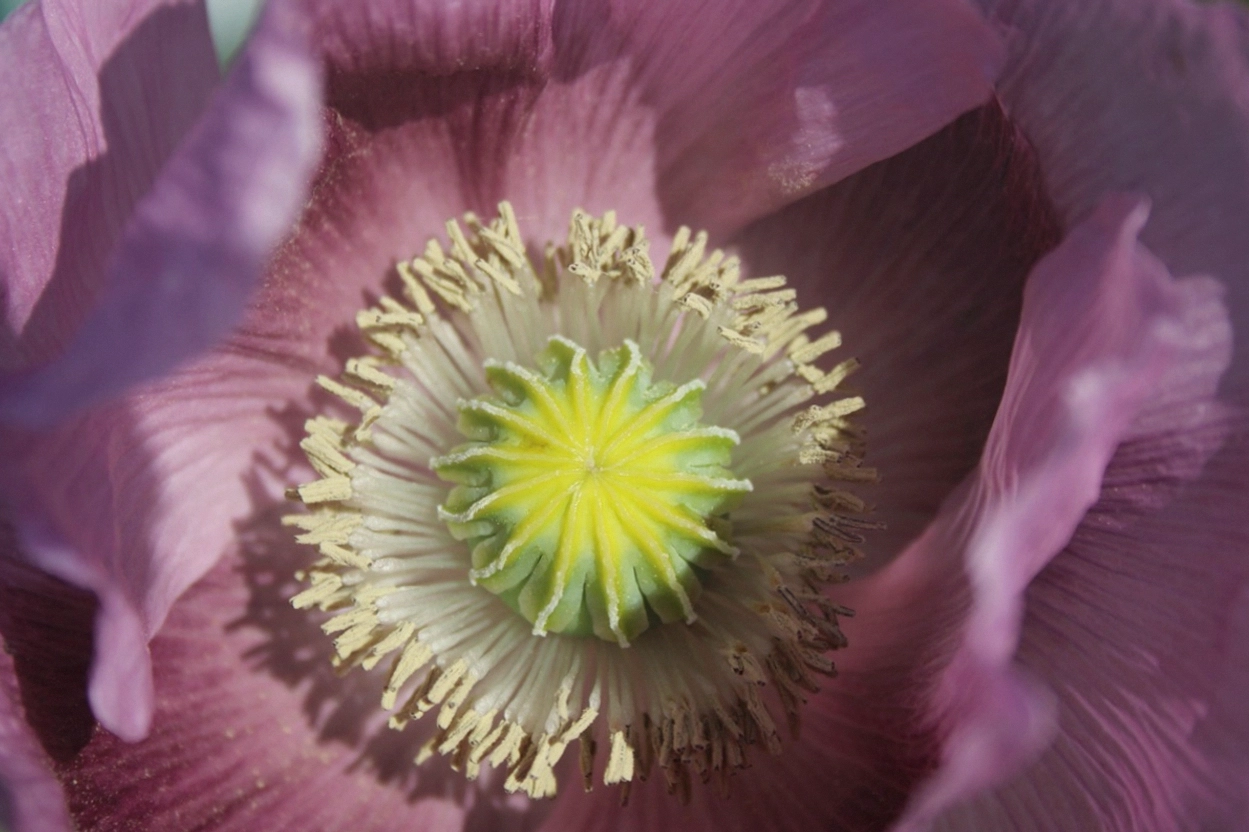
The sachet that comes with your bouquet works, it's sugar for food, acidifier for water uptake and a bactericide. Half the internet folklore does something: a drop of bleach genuinely keeps water clean, a teaspoon of sugar feeds them. Coins, aspirin and vodka are mostly theatre. If the sachet's gone, cool water changed daily does more than any potion.
Day three or four: pull the bunch out, tip the water, rinse the vase, re-cut the stems, remove anything that's finished (one dead stem fouls water for the rest), and rearrange what's left. Five minutes, and the second week of the bouquet often looks better than the first.
If you'd rather someone else handled the rotation entirely, that's literally what our weekly subscription is for.

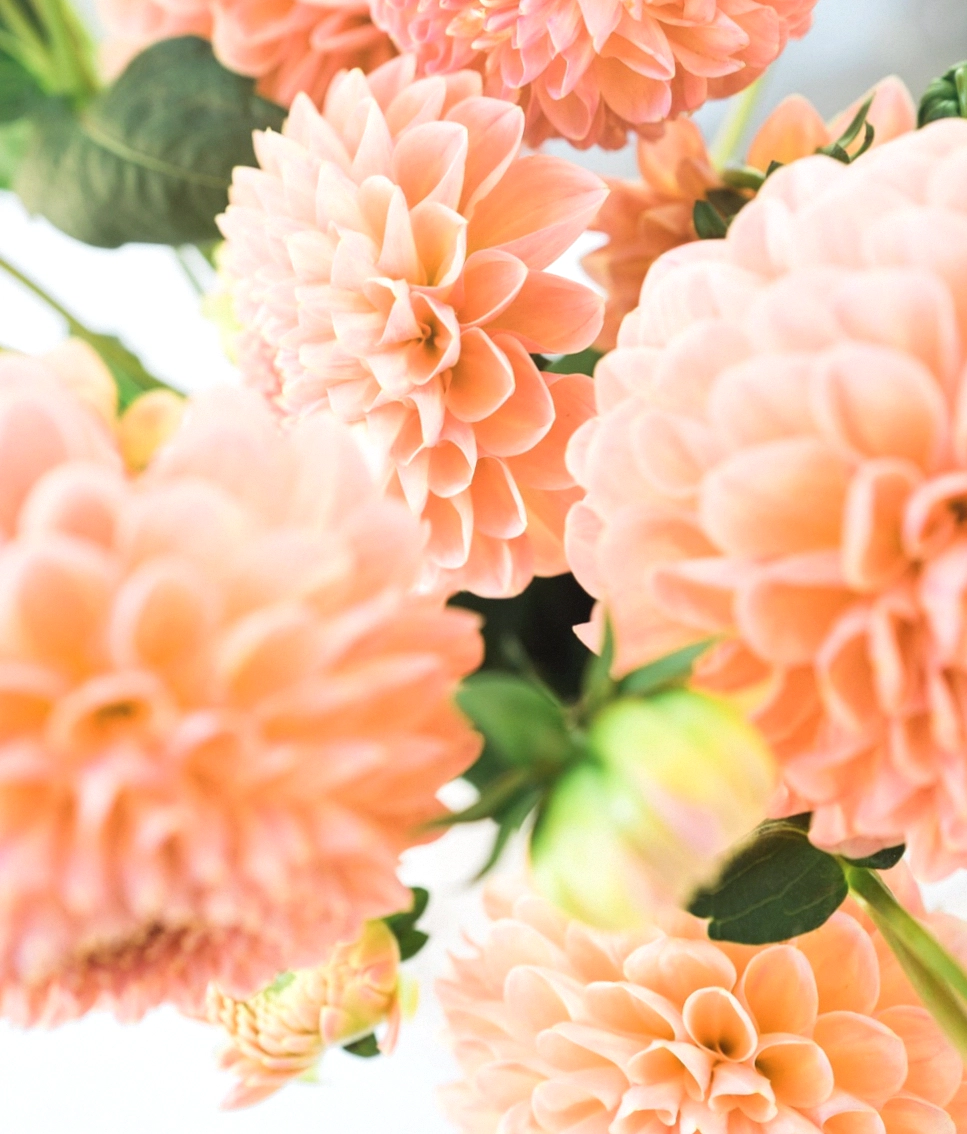
Not all stems are equal. If longevity is the goal, build around the marathon runners: chrysanthemums, carnations (yes, really, the maligned carnation outlives almost everything), alstroemeria, orchids, and most Australian natives. The sprinters, tulips, ranunculus, dahlias, are spectacular for five days and gone. A good bouquet mixes both: something for day two, something for day ten.
A bouquet isn't failing when the first flowers fade, it's cycling. Pull the dead stems out, drop the survivors into a smaller vase, and keep going. Our record at the studio for "stems still earning their place" is a banksia that outlived four bouquets and is technically still going.
Questions that came up while we were writing this — answered the way we'd answer at the counter.
The honest month-by-month list, what the market actually has, and when.
Banksias, proteas and waxflower, the stems that outlast everything.

The subscription does the caring part for you, seasonal bunch at the door, water source included, from $39 a drop.