 Fresh Bloom Express
Seasonal guide
What's Actually in Season
in Melbourne
A month-by-month look at what the Melbourne flower market really stocks, the honest version we use when buying for the studio.
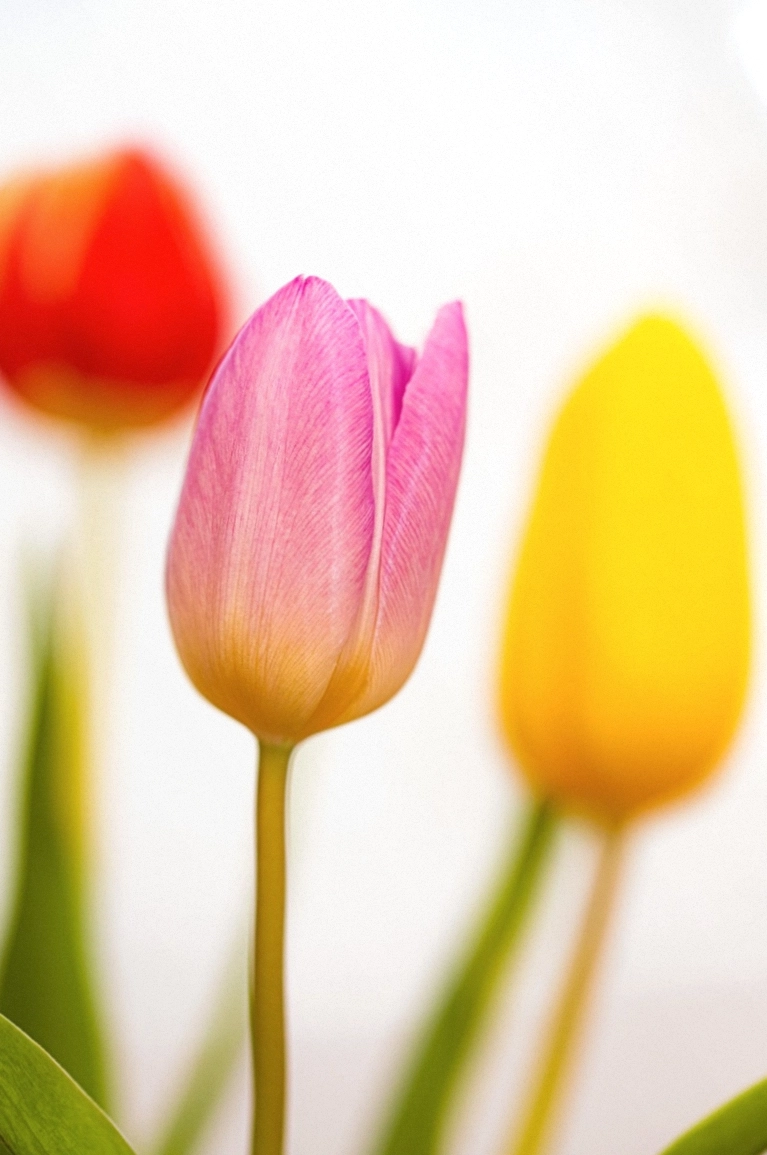
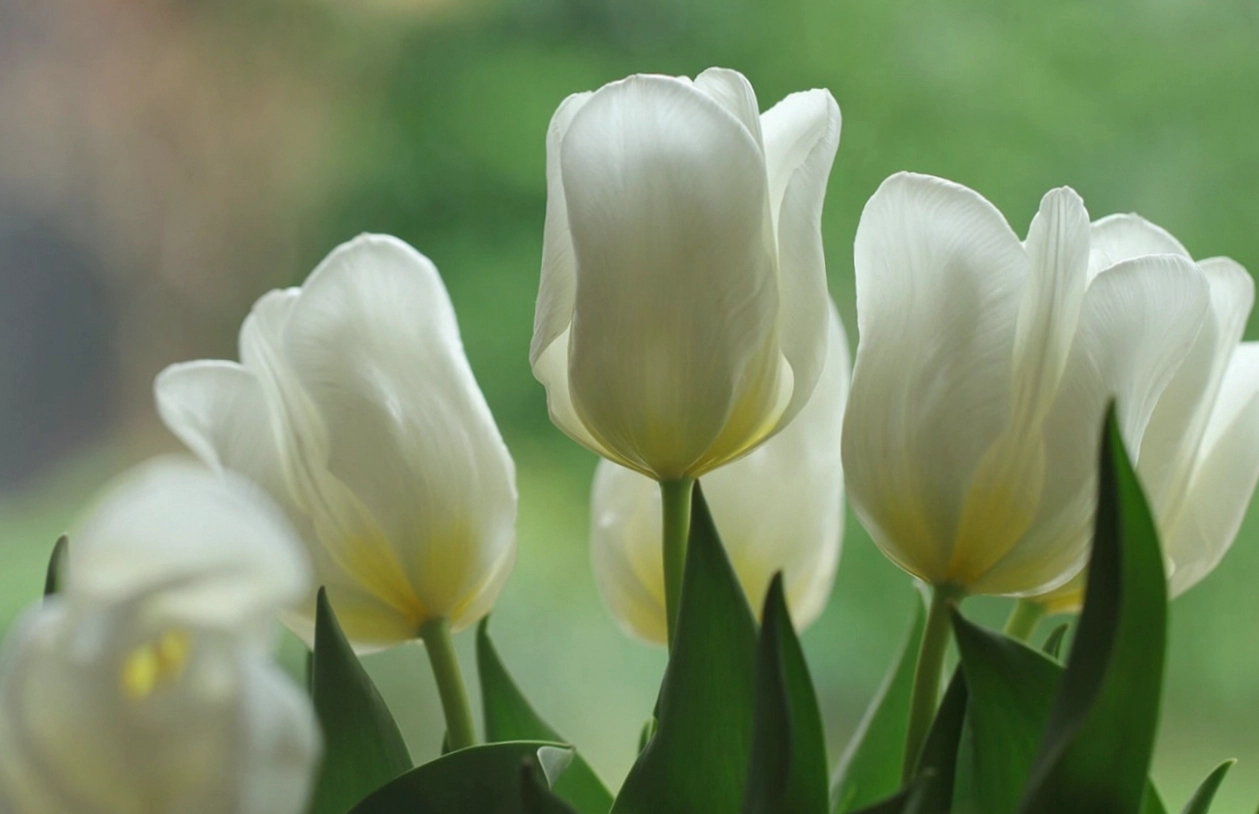
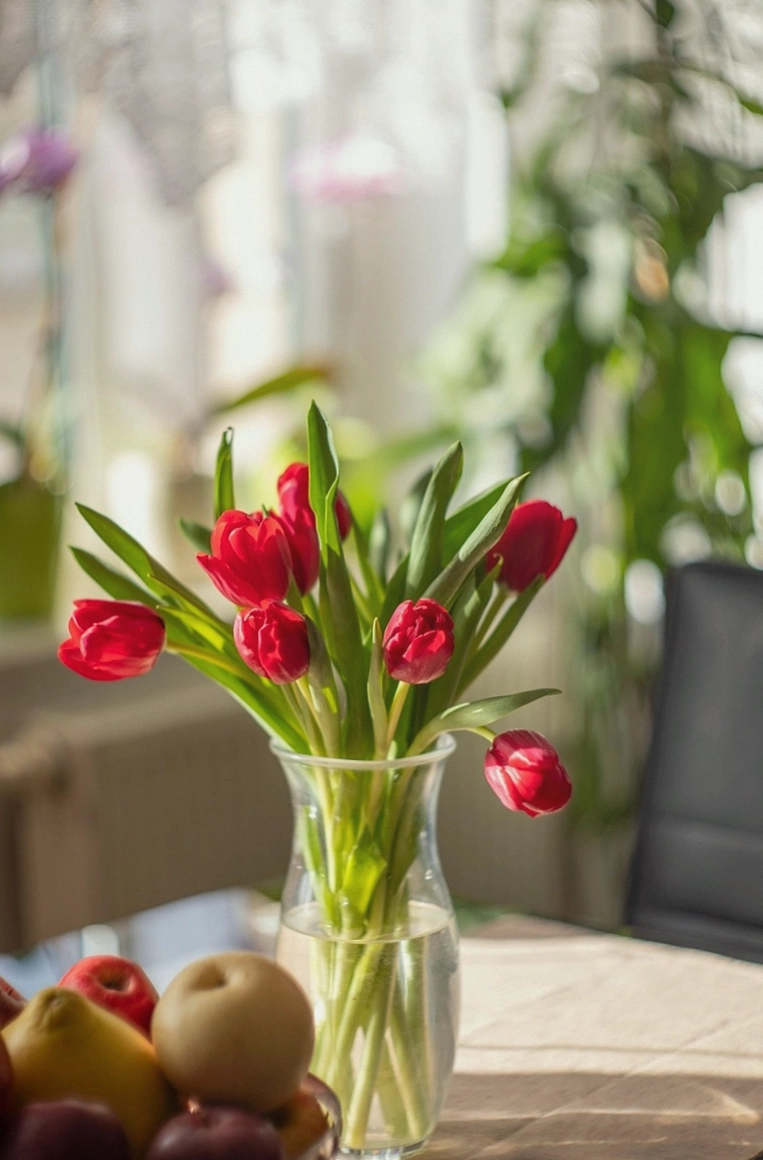
Every florist website claims "seasonal flowers". Ours means something specific: what's on the wholesale benches at Epping at 4am, priced so a bouquet doesn't need a mortgage. Seasonality in Melbourne is different from the northern-hemisphere guides, our peonies come in November, our tulips peak in September, and winter is secretly one of the best flower months of the year.
Spring (September–November)
The show-off season. Tulips early, ranunculus all through, then the main event: peonies from late October into December. Peony season is six glorious weeks where every second bouquet we make gets photographed by the recipient. Sweet peas, freesias and anemones round out the soft stuff, while the first good garden roses start showing up.
Summer (December–February)
Dahlias take over, Café au Lait, the dinner-plate varieties, the weird spiky ones. Hydrangeas peak, sunflowers are everywhere and actually good, and the natives (kangaroo paw especially) shrug at the heat that would kill a rose in hours. Valentine's in mid-summer is why roses cost what they cost in February, plan accordingly.
The market doesn't care about the calendar on your wall. We buy what the growers picked this morning, and that's the whole secret.
Daniel, owner & head florist
Autumn (March–May)
The underrated season. Dahlias hang on through March, then it's the textural stuff: smoke bush, autumn-toned chrysanthemums, scabiosa, and the best berries of the year. Roses come back strong after the heat, autumn garden roses are often better than spring ones because they've had a year to build up to it.
Winter (June–August)
The underrated secret: winter is when Australian natives own the market. Banksias, proteas, leucadendrons, waxflower, the stems that laugh at three weeks in a vase. Hellebores and early jonquils keep the soft end going, and camellias hit their peak when everything imported is expensive and tired.
The practical version
- Cheapest good months: September and November, volume is high, prices drop.
- Best-value long-lasting: winter natives, June–August.
- Most expensive stems: February roses, May (post-Valentine's recovery), and anything imported off-season.
- The one everyone asks for: peonies, late October to mid-December. Set a reminder.
Quick takeaways
- Peonies: late October to mid-December, the six-week window
- Winter is native season, banksias and proteas at their best and cheapest
- February is the worst month for rose prices (Valentine's)
- Ask 'what's good this week', the honest answer changes constantly
Why "seasonal" saves you money
An in-season stem costs the grower less to produce, travels less distance, and arrives fresher, three reasons it costs us less, which is why it costs you less. A $59 bouquet built on November peonies would cost double in June because we'd be importing sad versions of the same flower.
It's also why our signature bouquets list a palette, not a stem recipe, the palette is a promise, the recipe depends on what the market had that morning. If you want to see what's good right now, the price page always reflects this week's buying.
Ask us what's good
Honestly the fastest version of this whole guide: call the studio and ask what's eating the market this week. The answer changes constantly and we never get tired of it.
On the topic
Seasonal questions
Questions that came up while we were writing this — answered the way we'd answer at the counter.
Imported ones exist, but they're expensive and often disappointing, tight buds that never properly open. We'd rather build you something stunning with what's in season than sell you a let-down.
November for range, March for autumn tones, and honestly any month works, we've never had a season we couldn't design around.
Probably a market quality issue, we'd rather send you something better than a substandard version of what you asked for. The dispatch photo always flags swaps.
Keep reading
More from the journal
Inside the studio: a morning on the bench
What 4am at Epping market and the morning rush actually look like.
Wedding flowers in 2026
What couples are actually picking this season, from 40 weddings of evidence.
From journal to doorstep
Order what the market has right now
Our same-day bunches are built on this morning's buying, always in season, always fresh, from $59.